
The Marketing Genius Behind Nike
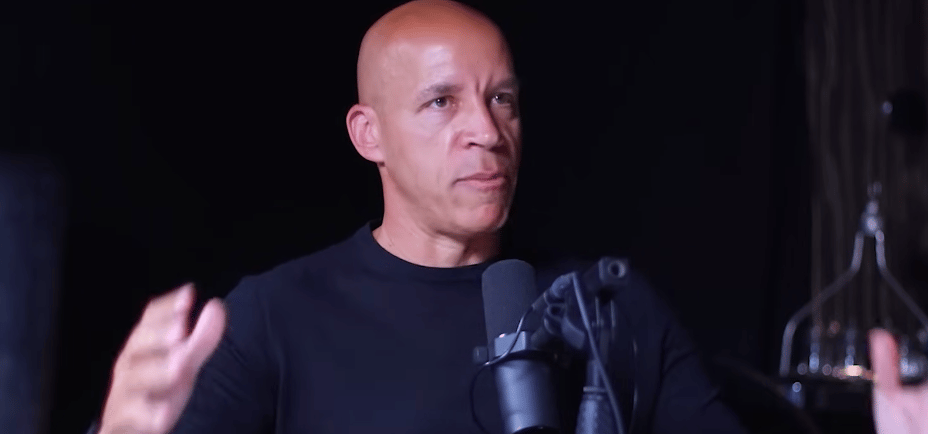
Greg Hoffman, former Nike CMO reflects on how great brands are built: through creativity, authenticity, and the discipline to stay relevant without chasing every trend. Speaker: Greg Hoffman | Podcast: The Diary Of A CEO | Views as of post date: > 250,000
MARKETING
About this video
Greg Hoffman is a former Nike Chief Marketing Officer, bestselling author of Emotion by Design, and founder of Modern Arena, where he helps brands build stronger emotional connections and growth.
Most brands fail not because they lack creativity—but because they abandon their core purpose in pursuit of “cool.” The real lever for growth is disciplined authenticity: build from a clear mission, solve real user problems, and let culture follow. If your audience can’t see what you originally stood for, they will leave
Full Video at the end of page
Core Insight (Plain English)
Don’t try to look relevant—be useful first, and relevance will come.
The strongest brands start with a real problem, serve it deeply, and stay consistent. When you chase trends or force cultural moments, you lose trust. When you stay grounded in what you actually do well, people bring you into culture themselves.
7 Practical Lessons
Start with the problem, not the positioning
Build products that genuinely solve something. Cultural relevance is earned after performance, not before.In SEA markets, practical value (price, durability, function) often outweighs branding narratives early on.
Don’t chase trends—anchor to your core use case
Nike didn’t design Air Force 1 to be “cool”; it was built for performance first.
If you’re constantly pivoting messaging, your customers feel it.Your origin story is your strongest marketing asset
“Your authenticity is your cultural currency.”
Make sure customers can clearly see what you stand for and why you exist.Only speak on social issues if you have a real connection
If you can’t link your product to the issue, don’t force it.
Many brands lose trust by inserting themselves into conversations they don’t belong in.Speed beats perfection in early-stage marketing
Ideas die in delay—prototype fast, visualise quickly, and test.
SMEs should prioritise execution speed over polished campaigns.Constraint creates better ideas
Lack of budget/time often leads to breakthrough marketing (e.g., early YouTube campaigns).
Don’t wait for resources—use constraints as creative pressure.Build emotional connection, not just content output
Ask: “How should this make the customer feel about themselves?”
Functional value gets attention; emotional value builds loyalty.
Summary & Reflections
This approach works best for brands with a clear product-market fit. If your core offering is still weak, “authenticity” won’t save you—execution matters first.
There’s also a trade-off: staying authentic can limit short-term growth opportunities (e.g., trend-jumping or viral tactics). Not every SME can afford that restraint, especially in hyper-competitive categories.
Regional Consideration (Southeast Asia):
Markets are fragmented—what feels “authentic” in one segment may not translate across countries.
Trust is often built through consistency and reliability, not bold positioning alone.
Overly abstract brand narratives tend to under-perform vs. tangible benefits.
Who should watch the full video
Founders building consumer brands
Marketing leads and brand managers
SMEs struggling with positioning or differentiation
Anyone trying to balance growth vs brand integrity
Decision Rating
Decision Usefulness: ★★★★★
Highly actionable for SMEs—clear guidance on positioning, messaging, and avoiding common branding mistakes.
Strategic Value: ★★★★☆
Strong long-term thinking on brand building and differentiation, though requires discipline that some SMEs may struggle to maintain.
Practical Applicability: ★★★★☆
Concepts are practical (authenticity, speed, problem-first), but execution depends on having a clear product and internal alignment.
Until next time,
The SME Signal editorial Team

Contact
Questions? Reach out anytime.
hello@smesignal.com
© 2026. All rights reserved.