
Steve Jobs The Lost Interview
In a rare 1995 long-form interview, Steve Jobs reflects on Apple’s formative years, product philosophy, team dynamics, and the forces behind corporate rise and decline. Especially relevant for operators: it lays bare how enduring businesses emerge—not from tidy theory, but messy constraints and human drive. Speaker: Steve Jobs | Views as of post date: > 250,000
KNOWLEDGE
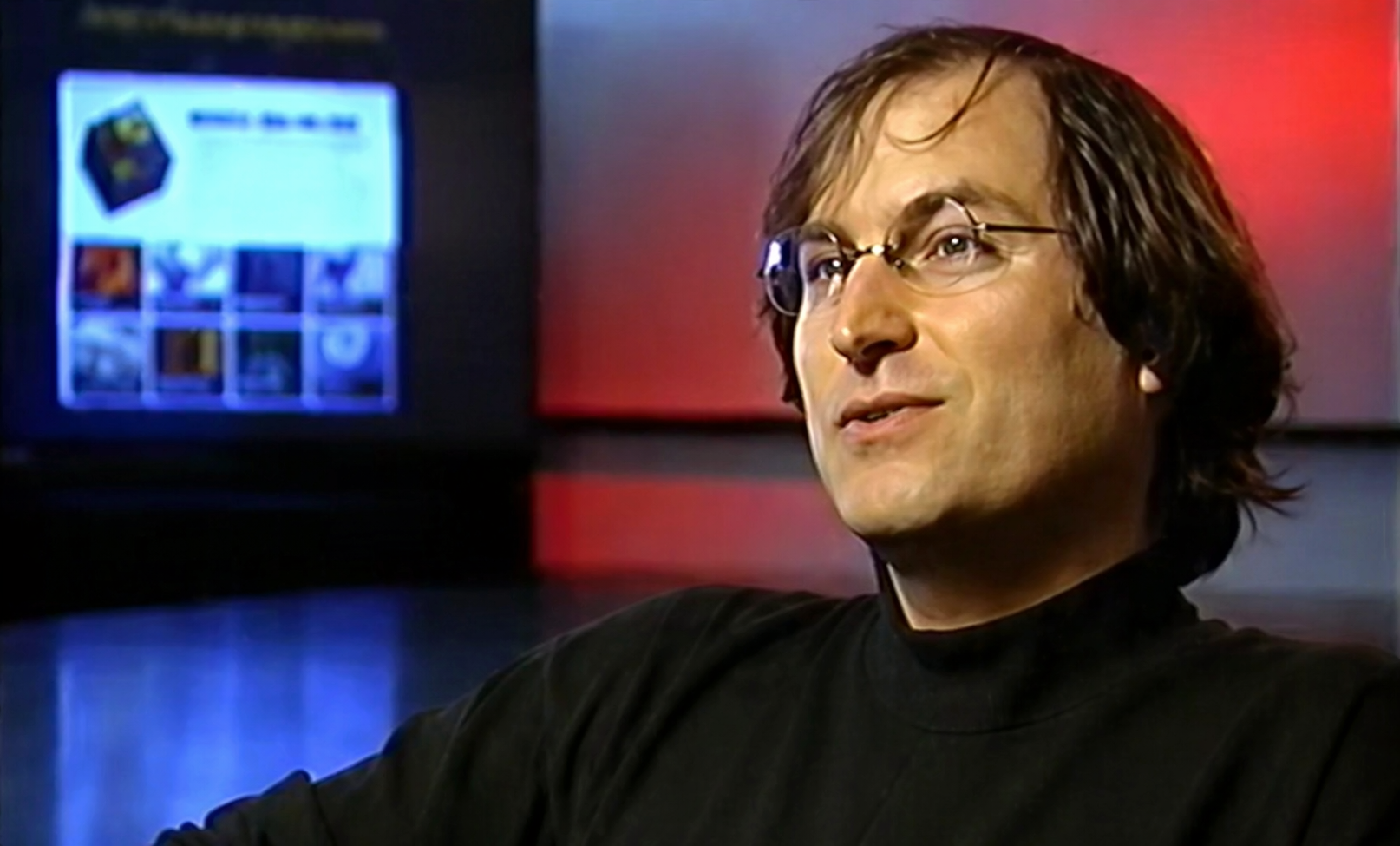
About this video
Steve Jobs needs no introduction, but he was the visionary co-founder and CEO of Apple, who revolutionized personal computing, music, phones, and animation through iconic innovations like the Macintosh, iPod, iPhone, and Pixar, transforming entire industries and culture.
Most companies don’t fail because they lack ideas—they fail because they lose product focus, over-rely on process, and hire the wrong people to execute.
If you’re running a business, your real leverage is not strategy decks or frameworks—it’s the quality of your people, your obsession with the product, and your willingness to question “how things are done.”
The trade-off is clear: operational comfort vs. product excellence—you rarely get both.
Full Video at the end of page
Core Insight (Plain English)
Great businesses are built by people who care deeply about the product and think independently—not by people who just follow processes or manage systems.
If you optimise for structure, you slowly lose the ability to build great things.
If you optimise for product and talent, things get messy—but that’s where real value is created.
7 Practical Lessons
Stop accepting “this is how it’s done”
Most business practices are inherited, not optimised. Question costing, pricing, hiring, and workflows—especially in traditional SEA industries where legacy habits dominate.Product quality beats process efficiency
Process scales operations, but product quality creates demand. Don’t let SOPs replace thinking—common failure in SMEs trying to “professionalise” too early.Hire for capability, not comfort
A-players want to work with other A-players and will self-police standards. Hiring average talent to maintain harmony kills long-term performance.Execution is harder than ideas—plan for it
A great idea is maybe 10% of the journey. The remaining 90% is iteration, trade-offs, and craftsmanship—especially relevant for founders chasing “new concepts” instead of finishing products.Start from necessity, not perfection
Apple didn’t begin with a grand plan—they built what they needed because they couldn’t afford alternatives. Constraint-driven building is often more practical for SMEs than over-planning.Distribution and monetisation matter early
Having “profit” tied up in unsold inventory is a real risk. Think about distribution channels early—common blind spot for product-focused founders in ASEAN markets.Protect product leadership as you scale
As companies grow, sales/marketing often overpower product thinking. This shift can quietly destroy differentiation—especially in family-run or founder-led SEA SMEs transitioning to corporate structures.
Summary & Reflections
This philosophy is powerful but extreme. Prioritising A-players, product excellence, and direct feedback can produce exceptional outcomes—but it also creates high pressure, conflict, and potential burnout. Not every team or business can sustain that intensity.
For many SMEs, especially in early or resource-constrained stages, hiring only top-tier talent is unrealistic. Operators often need to balance capability with affordability and stability, rather than pursue pure talent density.
There is also a risk of undervaluing process. While excessive structure can weaken product thinking, a complete rejection of systems can lead to inconsistency, inefficiency, and scaling challenges.
Regional Consideration (Southeast Asia):
Talent markets are uneven—true “A-players” are scarce and often concentrated in specific hubs
Cultural dynamics may make highly confrontational feedback styles harder to sustain
Many SMEs rely on loyalty and long-term staff retention, not constant talent replacement
The real challenge is not choosing between product and process—but knowing when to prioritise each.
Who should watch the full video
Founders building product-led businesses
SME owners scaling beyond founder control
Product, tech, and engineering leaders
Operators struggling with hiring quality vs. cost trade-offs
Decision Rating
Decision Usefulness: ★★★★★
Highly actionable for SME operators—directly impacts hiring, product strategy, and scaling decisions.
Strategic Value: ★★★★☆
Strong long-term guidance on company building and positioning, but requires interpretation to apply across different industries.
Operational Relevance: ★★★☆☆
Conceptually useful, but not all ideas translate directly into day-to-day SME operations without adaptation.
Until next time,
The SME Signal editorial Team

Contact
Questions? Reach out anytime.
hello@smesignal.com
© 2026. All rights reserved.