
NVIDIA - The $4 Trillion Company & the AI Revolution
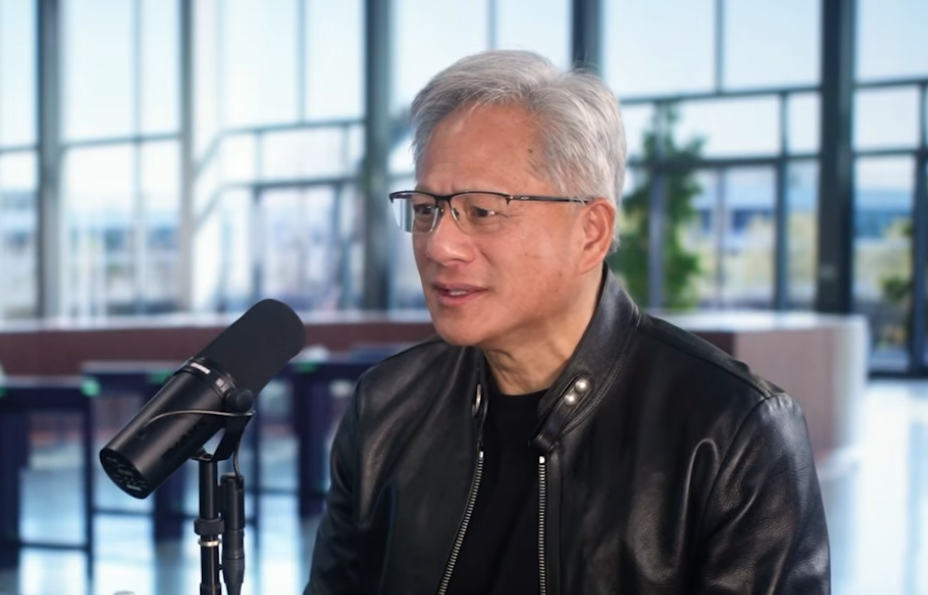
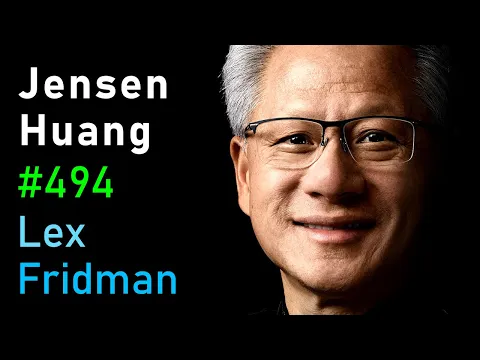
In this long-form interview, NVIDIA CEO Jensen Huang explores the future of AI and computing—and the profound ways AI is transforming industries, infrastructure, and work itself. Speaker: Jensen Huang | Podcast: Lex Fridman Podcast | Views as of post date: > 1,000,000
TECHNOLOGY
About this video
Jensen Huang needs no introduction, but he is the founder, president, and CEO of NVIDIA, the company that helped define the GPU era and now sits at the centre of the AI revolution.
AI is no longer just “software”—it is becoming infrastructure and a revenue-generating factory, and this shift will reshape how businesses think about cost, capability, and competitive advantage.
For operators, the key implication is clear: AI is moving from a tool you use → to a system you build on or depend on, with rising costs, new dependencies, and new opportunities to monetize intelligence itself.
Full Video at the end of page
Core Insight (Plain English)
The core shift is this:
Computers are no longer just systems that store and retrieve information. They are becoming “factories” that generate outputs (tokens, decisions, content, insights) in real time—and those outputs have direct economic value.
At the same time, the “unit” of computing is expanding:
From chips → to servers → to clusters
And now → to entire AI factories (large-scale infrastructure systems)
This matters because:
AI is no longer just a productivity tool
It is becoming a production system that businesses pay for, build around, and potentially sell outputs from
The assumption is no longer “AI is just software or a feature” but changing to "AI is becoming a core operational layer and revenue engine."
What this means for operators
1. AI costs will behave more like infrastructure, not SaaS
Operators should expect AI usage (tokens, compute) to become:
Tiered (free → premium → high-end)
Increasingly tied to output quality and speed
This is closer to utilities or production costs, not simple subscriptions.
2. “Owning capability” may matter more than “using tools”
The shift to AI factories suggests:
Competitive advantage may come from access to compute + ecosystem, not just tools
SMEs relying fully on third-party platforms may face dependency risks
3. New revenue models: selling intelligence, not just products
AI outputs (tokens, insights, automation) are becoming commodities with price tiers
Implication:
Businesses can package expertise as AI-driven outputs
Example: automated advisory, design, analytics, customer service
4. Job roles will shift from “doing” to “specifying”
Coding, marketing, operations:
Less about execution
More about defining what should be built or done
This expands capability:
More people can “build”
But differentiation shifts to problem framing and judgement
5. AI increases demand for work in some roles, not reduces it
Example shared:
Radiology became more productive with AI → more demand, not less
Implication:
Automation may expand markets rather than shrink them
SMEs should look for demand expansion opportunities, not just cost-cutting
6. AI adoption becomes a hiring filter
Clear signal: Employers will prefer candidates who can use AI effectively across roles
For SMEs: AI literacy becomes a baseline capability, not a specialist skill
Practical watchpoints
Operators should monitor:
AI cost structure changes
Pricing of tokens, compute, and usage tiers
Shift from flat SaaS to usage-based pricing
Platform dependency risk
Reliance on major AI ecosystems (e.g., cloud providers, GPU ecosystems)
Customer willingness to pay for AI outputs
Are customers paying for AI-generated insights/services?
Workflow redesign opportunities
Where AI reduces task time → can you expand service volume?
Talent capability gap
Are your team members actually using AI effectively, or just experimenting?
Summary & Reflections
SMEs are more likely to consume AI rather than build infrastructure.
Key uncertainty: Will AI outputs remain high-value, or become commoditized quickly?
Risk:
Over-investing in AI capability without clear monetization
Misjudging demand for AI-driven services
Regional Consideration (Southeast Asia):
SMEs in Southeast Asia may face:
Higher dependency on global AI infrastructure providers
Less access to compute ownership
This increases the importance of:
Smart usage strategies over infrastructure bets
Who should watch the full video
SME owners exploring AI adoption
Tech decision-makers
Product and operations leaders
Founders building AI-enabled services
Decision Rating
Decision Usefulness: ★★★★★
This is a high-impact shift in how AI should be understood—moving from tool to infrastructure and revenue engine. Directly affects strategic decisions.
Strategic Value: ★★★★★
Reframes AI from cost-saving tool to core business model driver. Useful for long-term positioning and investment decisions.
Operational Relevance: ★★★★☆
Highly relevant, but execution depends on industry and scale. SMEs will need to translate this into practical workflows rather than infrastructure builds.
Until next time,
The SME Signal editorial Team
Contact
Questions? Reach out anytime.
hello@smesignal.com
© 2026. All rights reserved.