
How To Build A Business That Works
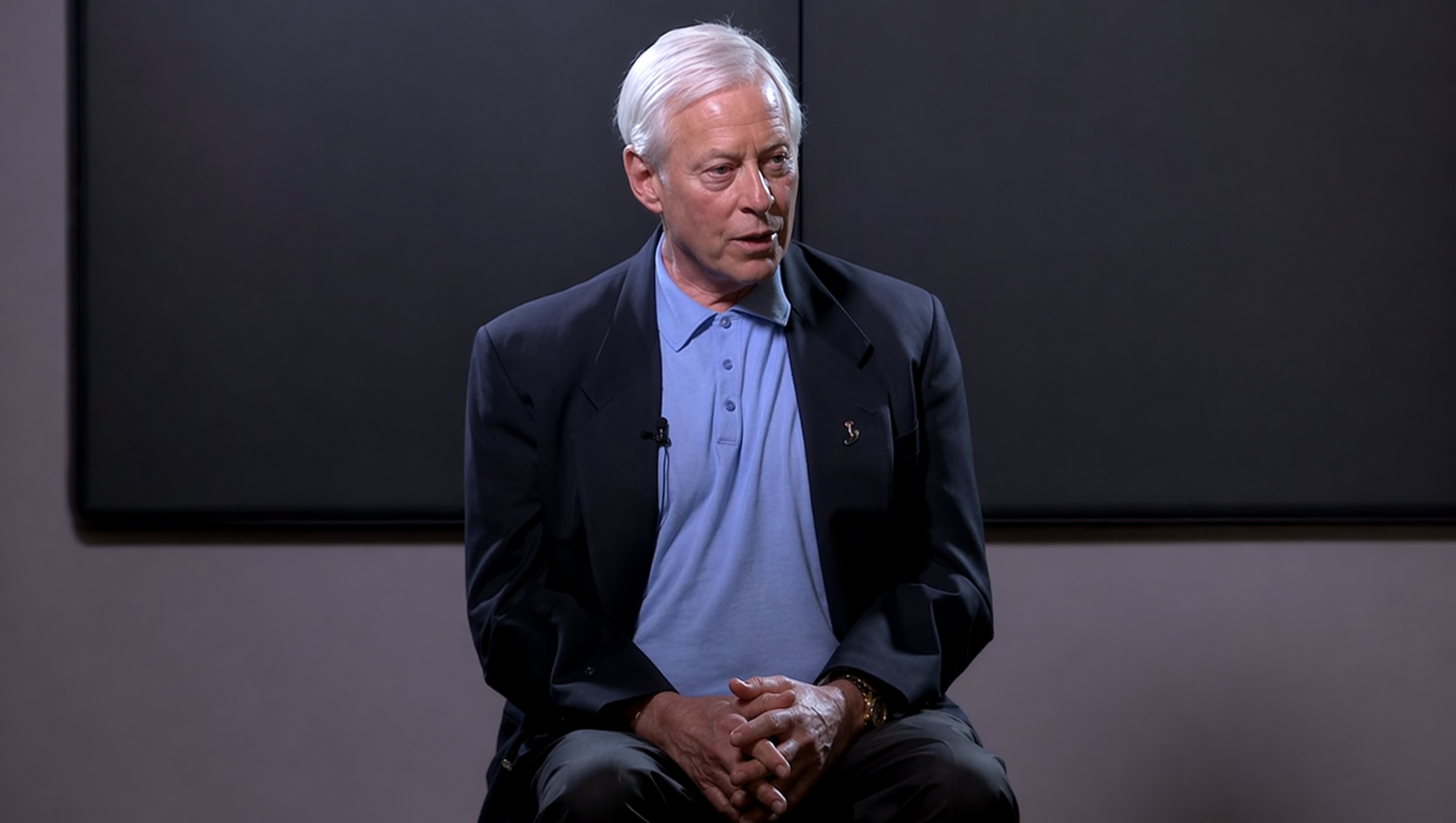
Brian Tracy, Chairman and CEO of Brian Tracy International, distills decades of SME entrepreneurship into clear-eyed lessons on decision-making, focus, and the real drivers of business success—challenging textbook orthodoxy along the way. Speaker: Brian Tray | Views as of post date: > 3,500,000
STRATEGY
About this video
Brian Tracy is a world-renowned motivational speaker, bestselling author of over 80 books like Eat That Frog!, and Chairman and CEO of Brian Tracy International, empowering millions through leadership training, sales mastery, and personal development programs delivered in 100+ countries
Most SME owners are not failing because they lack effort—they are failing because they focus on the wrong things and avoid hard decisions. The real leverage comes from disciplined thinking: cut what no longer works, slow down on high-stakes decisions, and obsess over product quality and customers. If you don’t actively choose what to focus on—and what to abandon—your business will drift into inefficiency and eventually decline.
Full Video at the end of page
Core Insight (Plain English)
Success is not about doing more—it’s about doing the right few things well and having the courage to stop everything else.
Most operators stay busy with low-impact work, hold onto bad decisions too long, and rush important decisions. The winners do the opposite: they think clearly, focus narrowly, and cut losses fast.
7 Practical Lessons
Prioritise high-consequence work daily
If a task doesn’t meaningfully impact revenue, profitability, or customers—question why you’re doing it. Many SMEs in SEA get stuck in operational noise (WhatsApp replies, admin) instead of growth-driving work.Cut losses faster than feels comfortable
Bad hires, weak products, or failing channels rarely “turn around.” The longer you hold them, the more they drain cash and attention.Use “knowing what I know now” as a filter
Regularly ask: would I start this again today? If not, exit. This applies to partnerships, SKUs, and even entire business models.Slow down on decisions that matter
Hiring, pricing, expansion, partnerships—these require deliberate thinking. Fast decisions here are usually expensive mistakes.Focus on ONE bottleneck at a time
Growth is constrained by a single limiting factor—skill, pricing, distribution, etc. Fix that first instead of trying to improve everything at once.Obsess over product quality before marketing
Marketing amplifies reality. If your product is average, marketing accelerates failure. In SEA markets with strong word-of-mouth (WhatsApp, TikTok), this effect is even stronger.Track the right number—not just sales
Revenue alone is misleading. Focus on metrics like contribution margin or customer profitability. Many SMEs grow sales while losing money.
Summary & Reflections
This framework is powerful but harsh. Constantly cutting people, products, or ideas can destabilise teams and morale if done without judgement. Not every struggling initiative should be abandoned—some require iteration, not elimination.
Also, “fail fast” works better in flexible, low-capex environments. In industries with heavy upfront investment (F&B, manufacturing), mistakes are costlier and slower to unwind.
Regional Consideration (Southeast Asia):
In many Southeast Asian markets, business decisions are closely tied to relationships, reputation, and long-term trust. Cutting partners, staff, or suppliers too quickly can carry reputational costs beyond the immediate business decision. Balance decisiveness with context—how you exit matters as much as when you exit.
Who should watch the full video
SME founders and owners
Operators managing teams or scaling operations
Early-stage entrepreneurs making key hiring and product decisions
Decision Rating
Decision Usefulness: ★★★★★
Highly actionable for SME operators. Directly improves decision quality, focus, and resource allocation.
Operational Relevance: ★★★★★
Applies immediately to hiring, product decisions, and daily prioritization—core operational areas.
Execution Difficulty: ★★★★☆
Conceptually simple but emotionally difficult. Requires discipline, especially in cutting losses and maintaining focus.
Until next time,
The SME Signal editorial Team


Contact
Questions? Reach out anytime.
hello@smesignal.com
© 2026. All rights reserved.